











There's a moment every packaging developer eventually recognizes — the point at which a beautiful design idea meets an unforgiving formula and has to yield. A gorgeous dropper doesn't matter if the serum is too thick to draw up through it. A stunning clear bottle doesn't matter if the essential oil inside oxidizes within weeks under it. Othilapak has built three of its most detailed product programs — roll-on bottles, serum bottles, and essential oil packaging — around a shared conviction: the formula should always determine the container, not the other way around.

OEM & ODM Roll-On Packaging Built Around the Formula
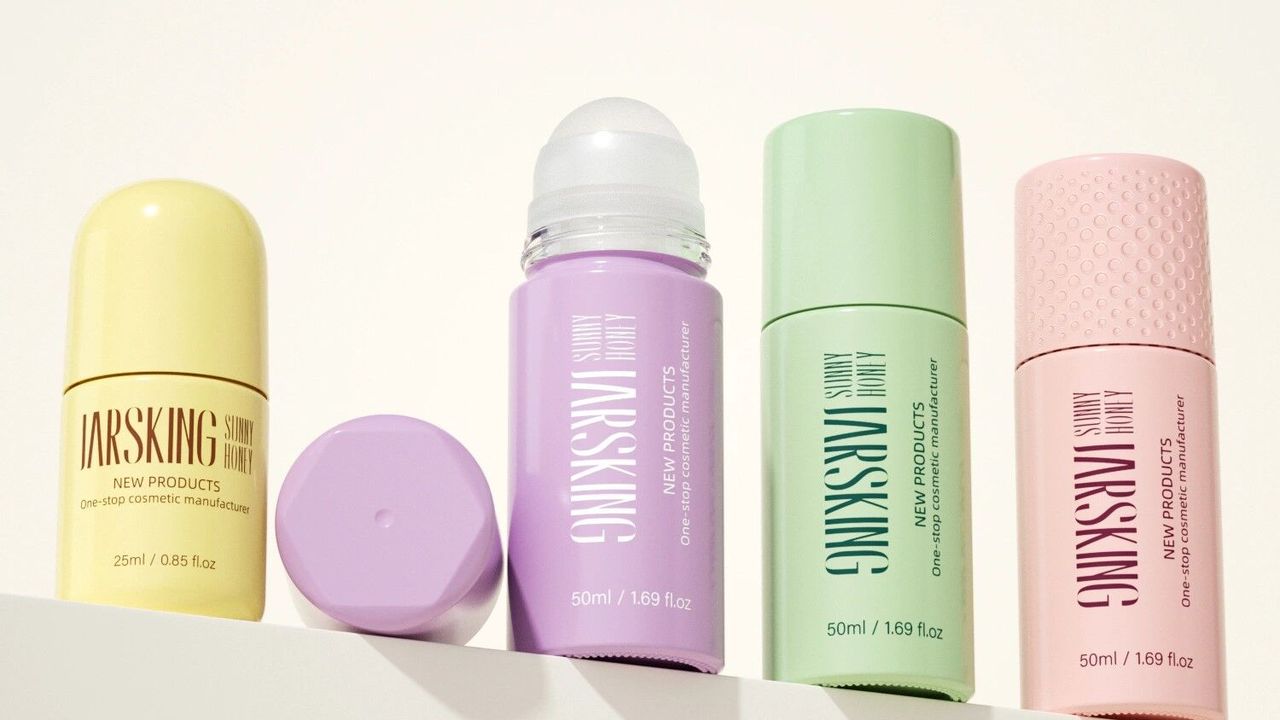
Othilapak opens its roll-on program with a statement that reframes the entire category: "the formula determines the roller system." It's a practical truth that too many brands discover only after receiving their first shipment of leaking or clogging bottles. OEM & ODM Roll-On Packaging spans deodorants, eye serums, targeted facial treatments, cooling gels, body oils, and wellness blends — each demanding a different roller ball configuration, seal design, and material choice.
The distinction between single and multi-roller ball heads illustrates this well. A single large roller ball, paired with a precision-fit seat and pressure ring, suits essential oils, perfume oils, and skincare formulas where leak prevention and controlled, waste-free dispensing matter most. Multi-roller ball heads, by contrast, solve a different set of problems — uneven coverage and clogging in thicker massage oils and body gels — through engineered flow channels and reinforced ball sockets that keep every ball securely seated over the product's life.
Material and format choices follow a similarly practical logic. Glass suits premium perfume oils and concentrated essential oils; plastic serves deodorants and larger personal care formats where weight and cost matter more than luxury feel. Sizing runs from 3–5ml sample and discovery formats through 50–100ml daily-use deodorant bottles, each tied to a recommended applicator type and typical retail channel. Othilapak is notably candid about the limits of any single claim, stating clearly that no roll-on bottle should be confirmed leak-proof without testing the complete pack against the actual formula — since ball-seat clearance, viscosity, and cap pressure all interact in ways that vary case by case.
The Serum Bottles Series: Matching Format to Active Ingredients
If roll-on packaging is about applicator mechanics, Othilapak's Serum Bottles Series is about protecting chemistry. The company states its philosophy plainly: "serum packaging fails when the bottle is chosen only by appearance." That single line reframes packaging selection as a formulation decision as much as a design one.
The series breaks into four functional categories. Dropper bottles suit low-to-medium viscosity formulas and offer strong premium appearance with easy dosage control, though they aren't ideal for very thick gels. Airless bottles serve oxygen-sensitive actives — vitamin C, peptides, retinol-inspired formulas — using a piston mechanism that pushes product upward as it empties, achieving over 90% product evacuation with zero oxidation exposure. Pump bottles reduce direct hand contact and suit daily-use skincare with controlled output, while roller bottles bring a strong sensory experience to small-volume targeted applications, though they aren't suited to large-volume daily facial serums.
Material guidance follows the same "match the formula" logic: glass for premium, chemically sensitive formulas; PET for lightweight, cost-sensitive retail lines; PP for airless systems and pump components; acrylic for luxury thick-wall visual effects; and PCR plastic for brands prioritizing reduced virgin plastic use, with the caveat that color consistency needs confirmation before bulk production.
Perhaps most useful is Othilapak's direct troubleshooting table, which maps specific buyer problems — an active formula that oxidizes easily, a facial oil that leaks during shipping, a serum too thick for a standard dropper — to concrete packaging fixes like amber glass, tested sealing systems, or pump mechanisms matched to viscosity. This kind of transparency turns a sales page into something closer to a technical consultation, which is precisely the point.
Essential Oil Packaging Design as Both Art and Science
Othilapak describes its Essential Oil Packaging Design work with a phrase that captures the category's dual demands well: packaging that is "both art and science," where every bottle shape, color, and closure serves a specific function while telling a brand's story.
The Boston round bottle sits at the center of this program, offered across a genuinely wide spectrum of glass colors, each with distinct protective and positioning implications. Amber glass filters out 99% of light wavelengths between 280–450nm, offering industry-leading UV protection for photosensitive oils. Cobalt blue provides comparable protection while signaling premium positioning; green glass offers moderate protection with a more organic, eco-conscious aesthetic; and frosted glass adds a sophisticated tactile quality suited to luxury market segments. Clear glass, while offering minimal UV protection, works well for photogenic oils with attractive natural coloring, intended for shorter-term use or controlled lighting environments.
Safety features are treated as standard rather than optional. Child-resistant closures use a push-and-turn locking mechanism that satisfies EU and USA safety regulations while remaining easy for adults to operate, and tamper-evident features — breakable rings, shrink bands, perforated seals — give consumers visible assurance that a product hasn't been opened before purchase.
A Shared Philosophy Across Three Categories
What ties these three programs together is a refusal to treat packaging as a purely visual decision. Roll-on bottles are selected around roller mechanics and formula viscosity; serum bottles are matched to oxidation sensitivity and dosage precision; essential oil bottles are chosen for their specific UV-filtering properties and safety compliance. In each case, Othilapak positions the brand's formula — not the catalog — as the true starting point for choosing a container.
For skincare, wellness, and essential oil brands navigating these decisions, that kind of formula-first thinking is a meaningful signal. It suggests a manufacturing partner more interested in solving a brand's actual technical problems than simply moving inventory — and for products where a bottle's failure means a damaged formula, a leaking shipment, or a broken customer's trust, that distinction matters more than almost anything else in the packaging conversation.